


8 Types of Waste in Construction: A Lean Thinking Guide
Construction generates more waste than most industries care to admit. Not just physical waste, but wasted time, wasted effort, and wasted money are baked into how most projects run. Lean thinking gives this a name and a framework. The result is eight categories of waste, each one representing an activity that consumes resources without adding value for the client.
These eight waste types come from lean manufacturing principles, originally developed by Toyota. Construction adapted them because the problems translate directly: poor coordination, idle workers, rework, and unnecessary movement. Recognising each type is the first step toward eliminating them.
1. Defects
Defects are tasks the team does not complete correctly on the first attempt. This covers construction errors, incorrect materials, and deviations from design specifications. When defects occur, the team must stop and fix them, which adds time, cost, and material use to the project.
Beyond the direct costs, defects damage client trust and frequently push projects past their delivery date. Of the eight waste types, defects tend to produce the most visible consequences, making them the easiest to measure and, consequently, a strong starting point for improvement.
2. Overproduction
Overproduction happens when the team produces more work or materials than the project needs at that stage. Poor coordination between project phases often drives this. When one team works ahead of another without a clear handoff, materials pile up, storage costs rise, and quality can deteriorate while elements wait for the next activity.
Furthermore, overproduction ties up cash and yard space that the project could use more productively elsewhere.
3. Waiting
Waiting covers any idle time where workers, equipment, or materials sit unused. Approval delays, late deliveries, and unfinished preceding tasks all cause waiting. Because labour costs accrue whether workers are productive or not, waiting directly inflates the project budget and extends the programme.
Reducing waiting requires clear sequencing and reliable information flow between teams.
4. Non-Utilised Talent
This waste type refers to failing to use workers’ existing skills and knowledge. Poor task allocation, inadequate training, and the exclusion of workers from problem-solving discussions all contribute. When experienced workers spend their time on tasks below their capabilities, the project loses the benefit of their insight, and the team loses motivation.
Addressing this type of waste often costs very little. It mainly requires better communication and a willingness to involve site teams in decisions that affect their work.
5. Transportation
Transportation waste covers the unnecessary movement of materials, tools, and equipment around the site. Double-handling materials or moving them repeatedly across long distances adds labour time without adding any value to the product.
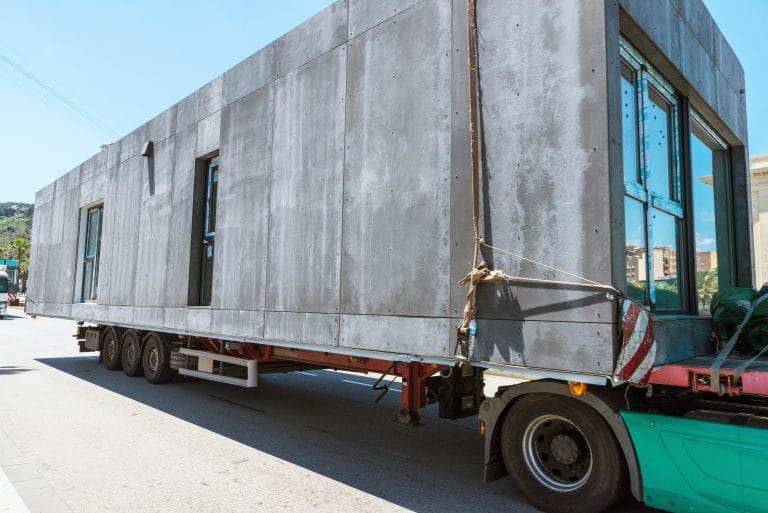
In precast construction, transportation waste also carries the risk of element damage. Each unnecessary lift or move creates an opportunity for a corner to chip or a surface to scratch. Good site layout planning and delivery sequencing significantly reduce this.
6. Inventory
Inventory waste occurs when the site holds more material than it currently needs. Surplus materials, idle work in progress, and unused equipment all fall into this category. Excess inventory requires storage space, locks up capital, and exposes materials to deterioration or theft.
In precast projects specifically, holding large quantities of delivered elements before erection begins is a common and costly form of inventory waste.
7. Motion
Motion waste refers to unnecessary physical movement by workers that does not contribute to the finished product. Walking long distances to find tools, searching for materials, reaching awkwardly for equipment, and excessive bending are all examples. Over the course of a project, this waste adds up to significant time lost and increases the risk of injury.
Good workplace organisation, often called 5S in lean terminology, directly addresses motion waste by keeping tools and materials where workers actually need them.
8. Excess Processing
Excess processing means doing more work than the specification requires, or using more expensive methods and materials than the job needs. Unclear drawings, poor planning, and over-caution about quality standards all push teams toward this. The result is higher cost and longer durations with no corresponding benefit to the client.
Tighter specifications and better communication between designers and site teams reduce excess processing considerably.
Why These Eight Categories Matter
Each of these waste types connects to the others. Defects cause waiting. Overproduction creates inventory. Poor motion planning increases transportation. Together, they represent a significant portion of the cost on most construction projects, and none of them adds value that the client is willing to pay for.
Lean construction focuses on identifying these wastes through honest observation of how work actually happens, rather than how it should happen on paper. Once the team sees the waste, eliminating it becomes a practical problem rather than an abstract principle. The eight categories provide the vocabulary to start that conversation.



2 Comments