
The History of Precast Concrete: From Ancient Rome to Construction 4.0
Precast concrete is often discussed as though it belongs to the digital age. In reality, its origins stretch back nearly two thousand years. Understanding that history helps explain why the method has lasted so long, and where it fits in construction today.
The Romans and the Origins of Precast Thinking
The ancient Romans did not use precast concrete in the modern sense, but they understood the principle behind it. Their builders cast concrete into moulds to create standardised components for aqueducts, public buildings, and civic infrastructure. Roman concrete, made from lime, volcanic ash, and aggregate, proved extraordinarily durable. The Pantheon in Rome still stands today, its unreinforced concrete dome intact after nearly two thousand years.
The Romans built with consistency and scale in mind. Those two priorities sit at the heart of precast manufacturing today, even if the materials and methods have changed considerably.
Reinforced Concrete and the 19th Century
Modern precast concrete took its defining step forward in the 19th century. Joseph Monier, a French gardener, received a patent in 1867 for embedding iron mesh into concrete. He developed the technique to make stronger plant containers. His insight, that steel and concrete work together because they expand and contract at similar rates, became the structural foundation of reinforced concrete worldwide.
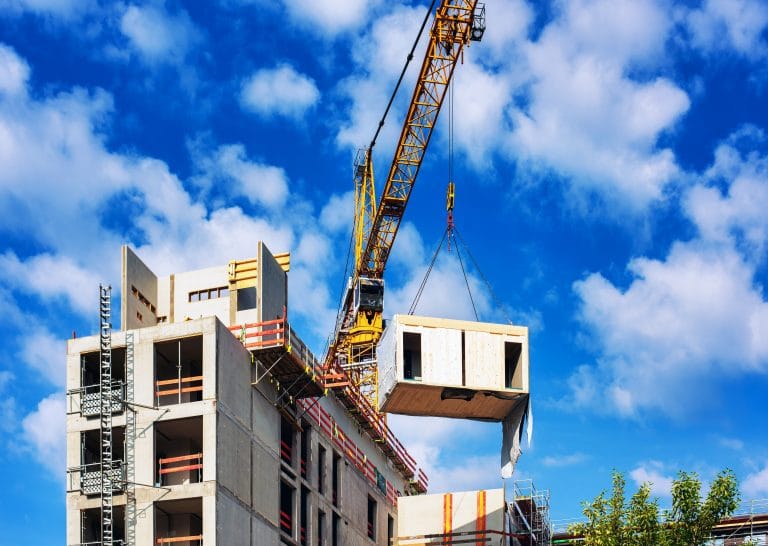
By the end of the century, engineers across Europe and North America were applying the principle to structural applications. Columns, beams, and floor slabs followed. The shift from site-cast to off-site manufactured elements followed shortly after, as builders recognised that factory production offered greater consistency and faster on-site assembly.
Post-War Housing and Large-Scale Adoption
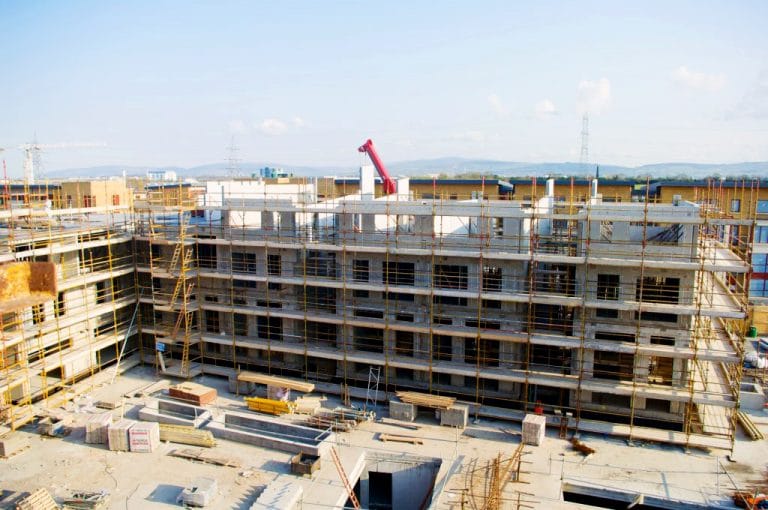
The most significant expansion of precast concrete happened after World War II. Much of Europe faced severe housing shortages and needed to rebuild quickly. Precast panel systems answered that demand. Manufacturers could produce large volumes of standardised wall and floor elements in controlled factory conditions and assemble them rapidly on site.
Eastern Europe, in particular, developed extensive prefabricated housing programmes during this period. The approach prioritised speed and volume over variety. Consequently, precast concrete became associated in many people’s minds with repetitive, uniform housing blocks. That association has taken time to shake, even though the industry moved well beyond it decades ago.
How Modern Precast Factories Work
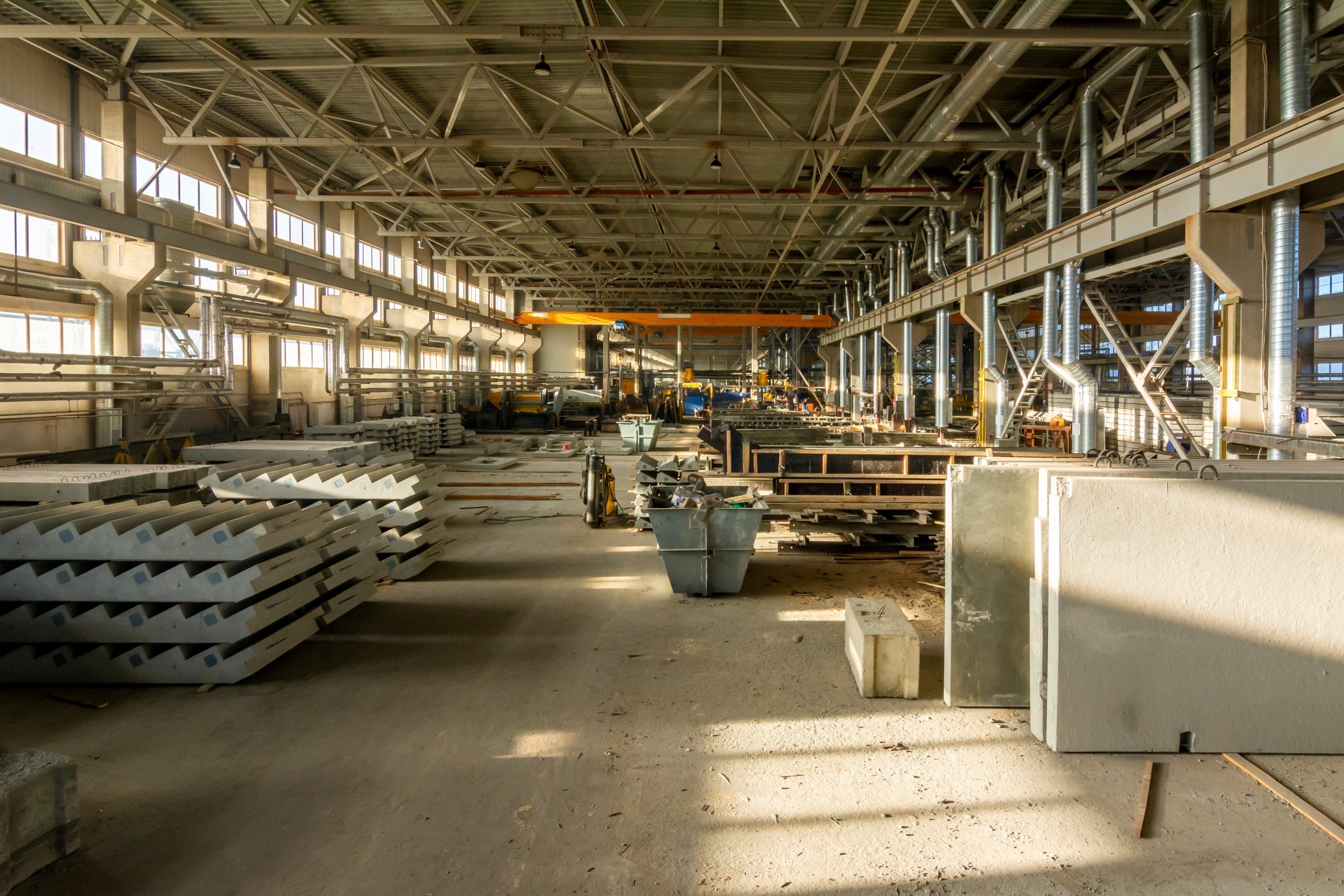
Today’s precast factories bear little resemblance to their post-war predecessors. Automated production lines handle mould preparation, rebar placement, and concrete casting with a level of precision and consistency that manual methods cannot match. Quality control systems check each element against specifications before it leaves the factory. Furthermore, the range of products has expanded far beyond housing panels.
Structural frames, facades, bridge beams, staircases, retaining walls, and bespoke architectural elements all come out of modern precast plants. The variety reflects both improved production technology and a deeper integration between design and manufacturing.
Digital Tools and Construction 4.0
The most recent shift in precast concrete involves digital integration across the full production and delivery chain. BIM software like Tekla Structures connects design directly to the factory floor, reducing the gap between what engineers draw and what manufacturers produce. Digital twins allow plant managers to monitor production in real time and track each element from casting to installation.
AI-powered quality control systems scan finished elements and flag defects that visual inspection would miss. Manufacturing Execution Systems coordinate production schedules, work orders, and resource allocation across the entire plant. Together, these tools are changing what it means to manage a precast factory.
The term Construction 4.0 describes this shift toward data-driven, connected manufacturing. Precast concrete aligns naturally with that direction because it already concentrates production in a controlled environment where data collection is practical. In-situ construction offers far fewer opportunities to instrument and monitor the process in the same way.
Why History Matters
Precast concrete has lasted because it solves real problems: speed, quality consistency, reduced site labour, and controlled production conditions. Each major shift in the method’s history, from Roman moulds to post-war panel systems to today’s digital factories, responded to a specific construction challenge of its time.
The current focus on sustainability and carbon reduction follows the same pattern. Factories can measure and control material inputs, optimise mix designs, and track embodied carbon in a way that site-based construction cannot easily replicate. That advantage becomes more relevant as clients and regulators push for lower-carbon buildings.
The history of precast concrete is not a story of technology for its own sake. It is a record of a practical method adapting to meet the demands that construction places on it. That pattern shows no sign of stopping.
Some info related to this post can also be found here.