

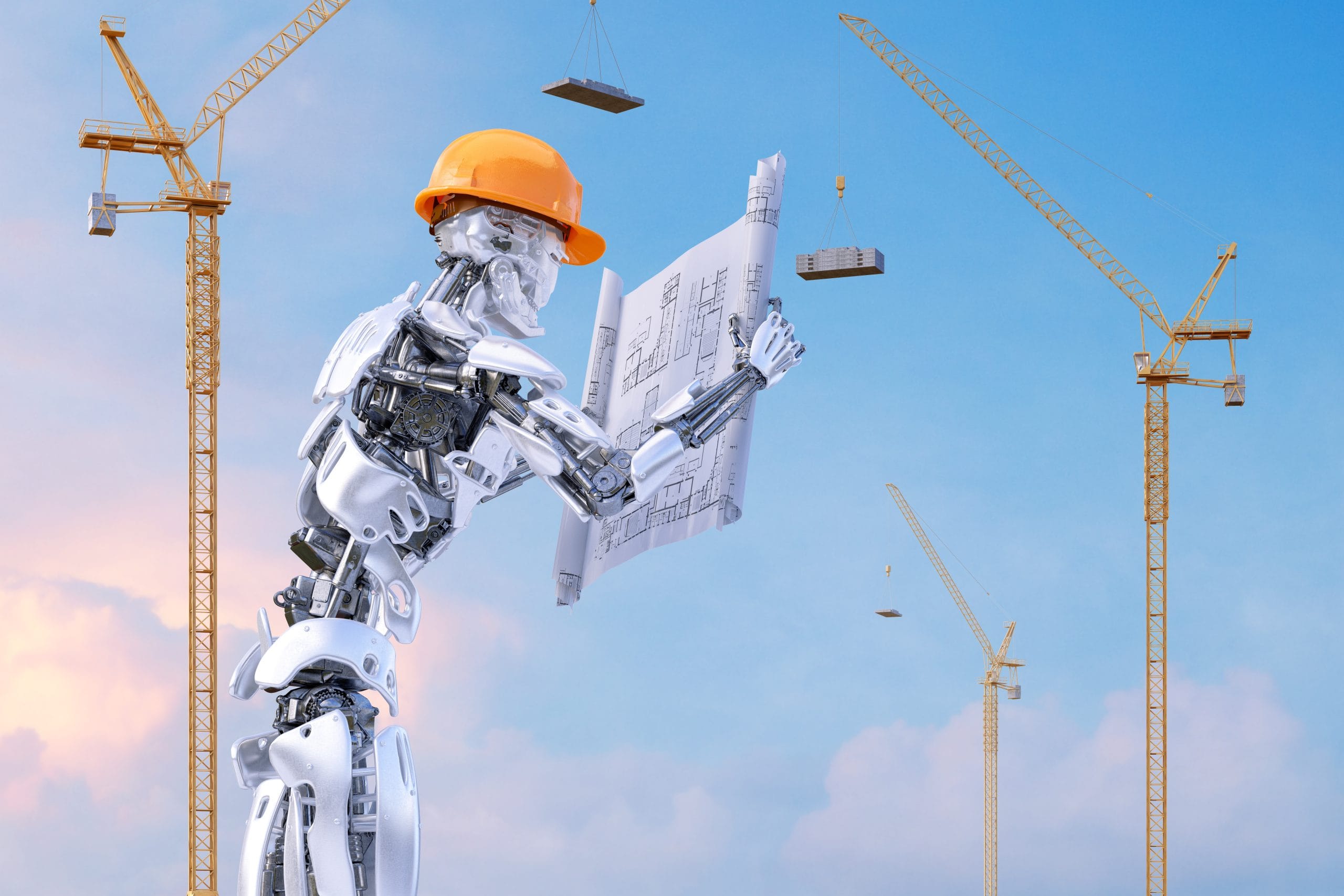
AI in Precast Concrete: A Competitive Necessity, Not a Future Option
Precast concrete is falling behind other industrialised off-site construction methods. That is the starting point for any honest conversation about AI in this industry. The question is not whether AI has applications in precast. It clearly does. The more useful question is whether the industry will adopt those applications fast enough to close the gap.
The Problem AI Addresses
Most precast plants still run on a reactive model. Problems surface after they have already affected production. A mould damages an element. A curing batch runs outside the specification. A delivery conflicts with the erection sequence on site. The team responds, fixes the problem, and moves on. The same problem recurs the following week.
That pattern is expensive. It consumes management time, inflates rework costs, and erodes margins on contracts that were already tight at the time of signing. Furthermore, it makes production output difficult to forecast accurately, which creates knock-on problems for logistics and site programmes.
AI does not eliminate these problems overnight. However, it changes the point at which they become visible. Predictive maintenance systems identify equipment deterioration before a breakdown occurs. Smart scheduling tools flag resource conflicts before they cause delays. Curing monitoring adjusts chamber conditions in real time rather than waiting for a test to fail. The shift from reacting to problems to anticipating them is practical and achievable with current technology.
Where Automation Makes the Biggest Difference
Labour-intensive, repetitive tasks are the most straightforward targets for automation. Mould preparation, rebar placement, defect detection, and load planning all involve steps that follow consistent rules. AI-powered systems handle these tasks with greater consistency than manual methods, particularly across long production runs where fatigue and variation accumulate.
The impact on the workforce is worth addressing directly. Automation does not simply replace people. It shifts where skilled workers spend their time. When a computer vision system handles surface defect scanning, the quality control team focuses on the cases the system flags and on improving the process that produces defects in the first place. That is a better use of their knowledge than visually checking every element.
From Experience-Based to Data-Driven Decisions
Many precast manufacturers make production decisions based on accumulated experience. An experienced plant manager knows which mould tends to cause problems in cold weather, which mix performs better with a particular aggregate, and which customers’ elements need extra attention during finishing. That knowledge is valuable and difficult to replace.
The problem is that it lives in people’s heads. When those people leave, retire, or are absent, the knowledge goes with them. AI systems that learn from production data create an institutional record that persists regardless of staff changes. Over time, they identify patterns in production quality, material performance, and delivery reliability that no individual could track manually across thousands of elements and dozens of projects.
The Competitive Gap Is Real
Modular construction, volumetric systems, and other modern methods of construction are investing heavily in digital production tools. Some of those methods offer clients faster programmes, more predictable costs, and stronger quality guarantees than traditional precast can currently match. That is a direct competitive threat.
Precast concrete has inherent advantages: structural performance, durability, acoustic and thermal properties, and the ability to produce complex bespoke elements. AI tools can sharpen those advantages by making production faster, more consistent, and better documented. Without that investment, precast risks ceding ground on projects where speed and predictability matter most to the client.
What a Practical Starting Point Looks Like
For most manufacturers, the entry point into AI is not a full factory transformation. It is a specific operational problem that currently incurs costs and has a well-defined data trail that an AI tool can learn from.
Quality control is the most common starting point because the data already exists in production records, and the cost of defects is easy to quantify. Predictive maintenance follows a similar logic. Both deliver measurable results without requiring a complete overhaul of existing systems.
Lean Precast Solutions, working with IT partner DAC.digital, currently implements AI-based quality control and production optimisation systems for precast manufacturers. The focus is on tools that solve a specific problem rather than on broad platform deployments that require years to show a return.
The manufacturers who start now will build the data infrastructure and operational experience that makes more advanced AI applications viable later. Those who wait will find the gap harder to close.
More info on this subject can also be found here.