

Precast Concrete in High-Rise Construction: What the 3D Model Shows
Most discussions about precast concrete focus on low-rise housing or single-storey industrial buildings. This 2-minute model walkthrough makes a different point: precast concrete frames work just as well in medium- and high-rise construction, and how the structure fits together is worth understanding.
What the Animation Shows
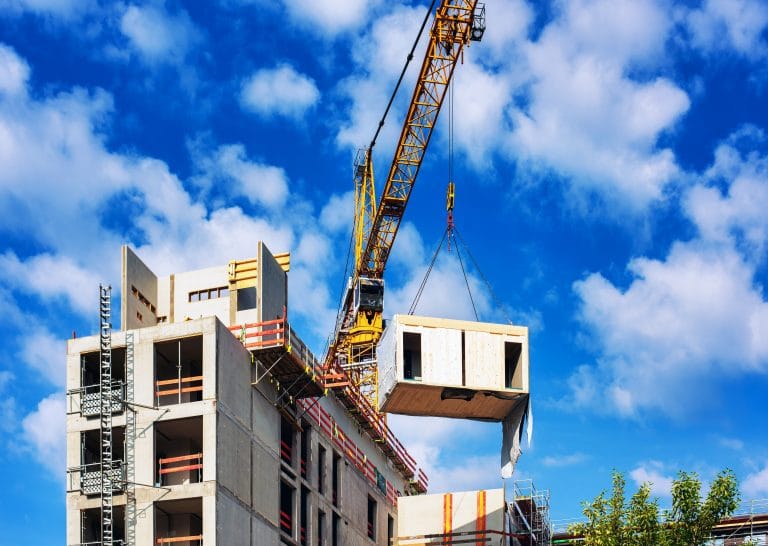
The video presents a 3D model of a multi-storey precast concrete building, moving through it from several angles. The opening exterior view shows the complete tower with its finished facade. As the animation pulls back into the structural frame, you can clearly see the individual components: precast concrete columns, precast beams, and hollow-core floor slabs spanning between them.
The close-up sections reveal the facade details particularly well. Brick masonry infill panels sit within the precast frame grid, and the glazing follows the structural module. At upper floor levels, the camera pulls back to show the hollow-core slab soffit and the depth of the floor construction. From that height, you also get a strong sense of how much the structural grid already defines the building envelope.
Why the Frame Matters for High-Rise
In a precast high-rise, the structure does more work than simply carrying loads. The column spacing and floor depth determine where walls can go, how the glazing arranges itself, and what the facade ultimately looks like. Consequently, getting that grid right at the design stage is the whole game.
Precast columns for high-rise buildings are typically larger in section than their low-rise equivalents, with higher reinforcement ratios to handle accumulated loads. The connections between columns, beams, and floors need careful detailing because there is no room for small errors at height. The model shows a clean, regular grid that makes those connections straightforward to repeat floor by floor. That repetition is what drives the programme savings on a tall building.
Fire Performance and Cladding
The page description specifically mentions fire protection as a reason to use architectural precast cladding on this type of building. That is a legitimate point. Concrete offers inherent fire resistance, and precast cladding panels can meet the required fire ratings without additional protective layers. For buildings where fire compartmentalisation is a central design concern, keeping it within the primary structure significantly simplifies compliance.
The model shows the building in its structural state, precisely where those decisions are made. Once the precast frame is in place, the fire strategy is largely fixed. Furthermore, reviewing the structural model at this stage means the whole team can assess compartmentalisation before production starts, not after.