How off-site construction can help in pandemic times.
The COVID-19 pandemic hit the construction industry hard. Labour-intensive, site-dependent methods ground to a halt almost overnight. But not every construction business struggled equally. Precast concrete manufacturers adapted faster than most, and the reasons why are worth examining.
Why Construction Felt the Pandemic So Deeply
Construction drives economies. When sites shut down, the impact reaches far beyond builders and contractors. Suppliers, logistics firms, and material manufacturers all feel the knock-on effect. Protecting construction output during a crisis is, in many ways, protecting the broader economy.
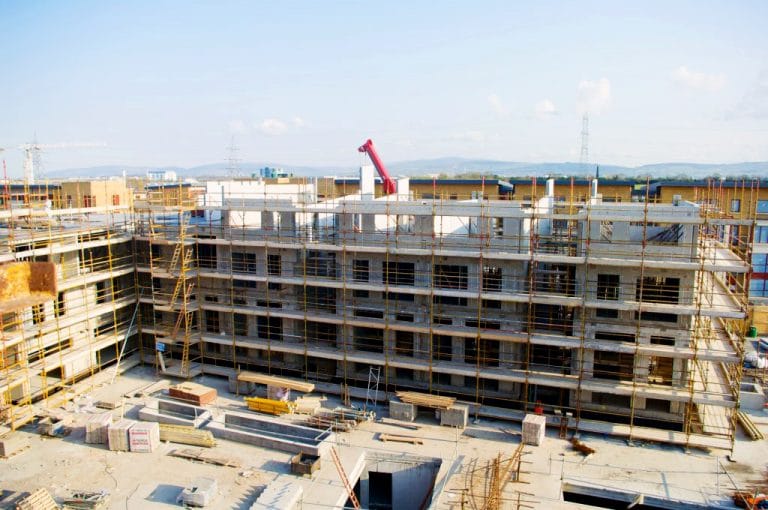
The problem with traditional building methods is their dependence on large, co-located workforces. Crowded sites and shared facilities make social distancing difficult to enforce. That’s where off-site construction offered a practical alternative.
Precast Factories Were Already Set Up for Reduced Contact
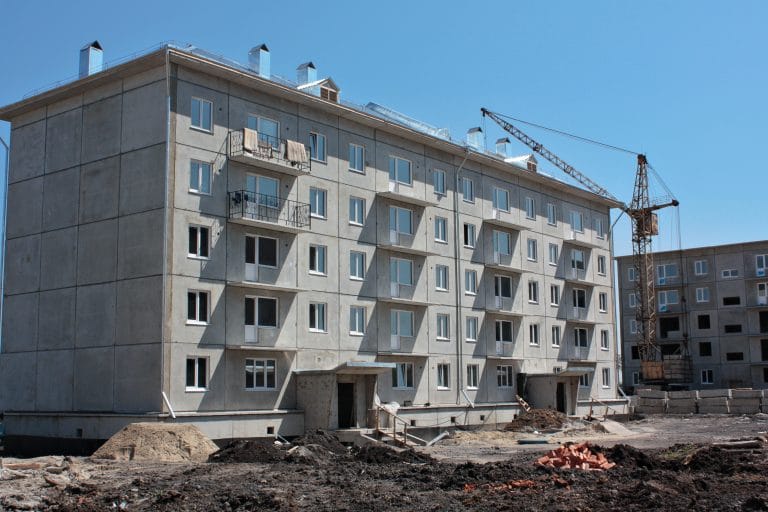
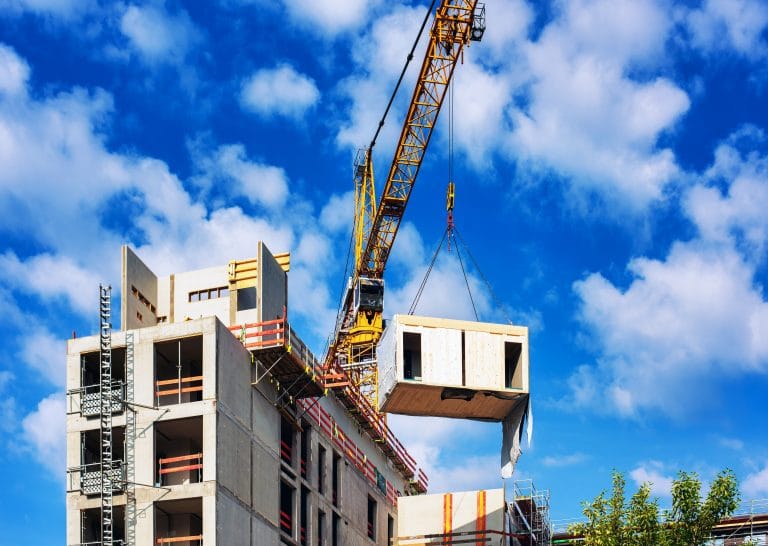
Precast production concentrates the work inside a controlled factory environment. A small site crew (sometimes just four people plus a crane operator) can erect a multi-storey residential building in a matter of weeks. That’s not a COVID-era workaround. That’s how precast construction normally works.
Inside the factory, production lines are semi-automated or fully automated. Workers spread across large floor areas, and trade crews stay separated throughout the casting process. Rebar cages arrive pre-assembled from the steel processing plant, ready to use. This keeps different teams apart while maintaining production efficiency.
Standard PPE, including face shields, masks, goggles, and gloves, was already part of factory protocol. Rotating the use of canteens and changing rooms added little disruption. Production continued with minimal changes to the daily routine.
Design Teams Could Work Remotely Without Losing Pace
Precast design relies heavily on 3D modelling software. Tools like Trimble Connect and Tekla Model Sharing allow design teams to collaborate on live models from different locations. Switching from office to home working changed the setting, but not the workflow.
That flexibility matters. When site work paused, design and detailing continued. Projects stayed in motion even when physical access was restricted.
Off-Site Construction Is Bigger Than a Pandemic Response
The pandemic exposed weaknesses in traditional construction. Off-site methods handled those weaknesses better. But the case for precast concrete goes well beyond infection control.
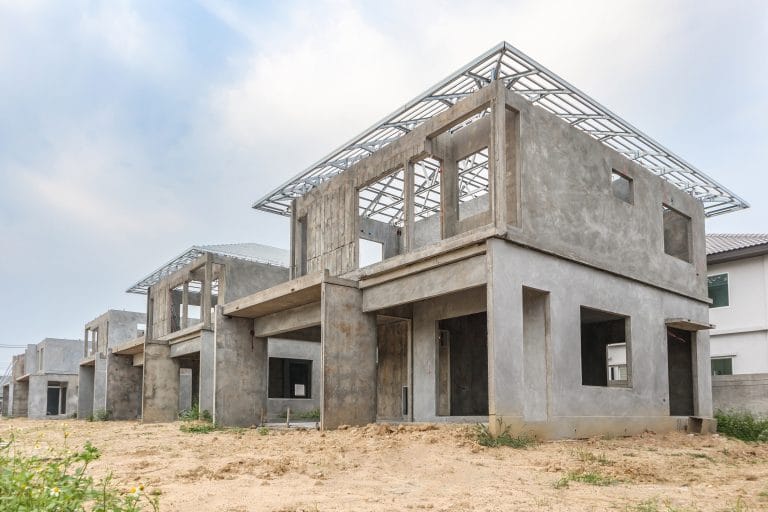
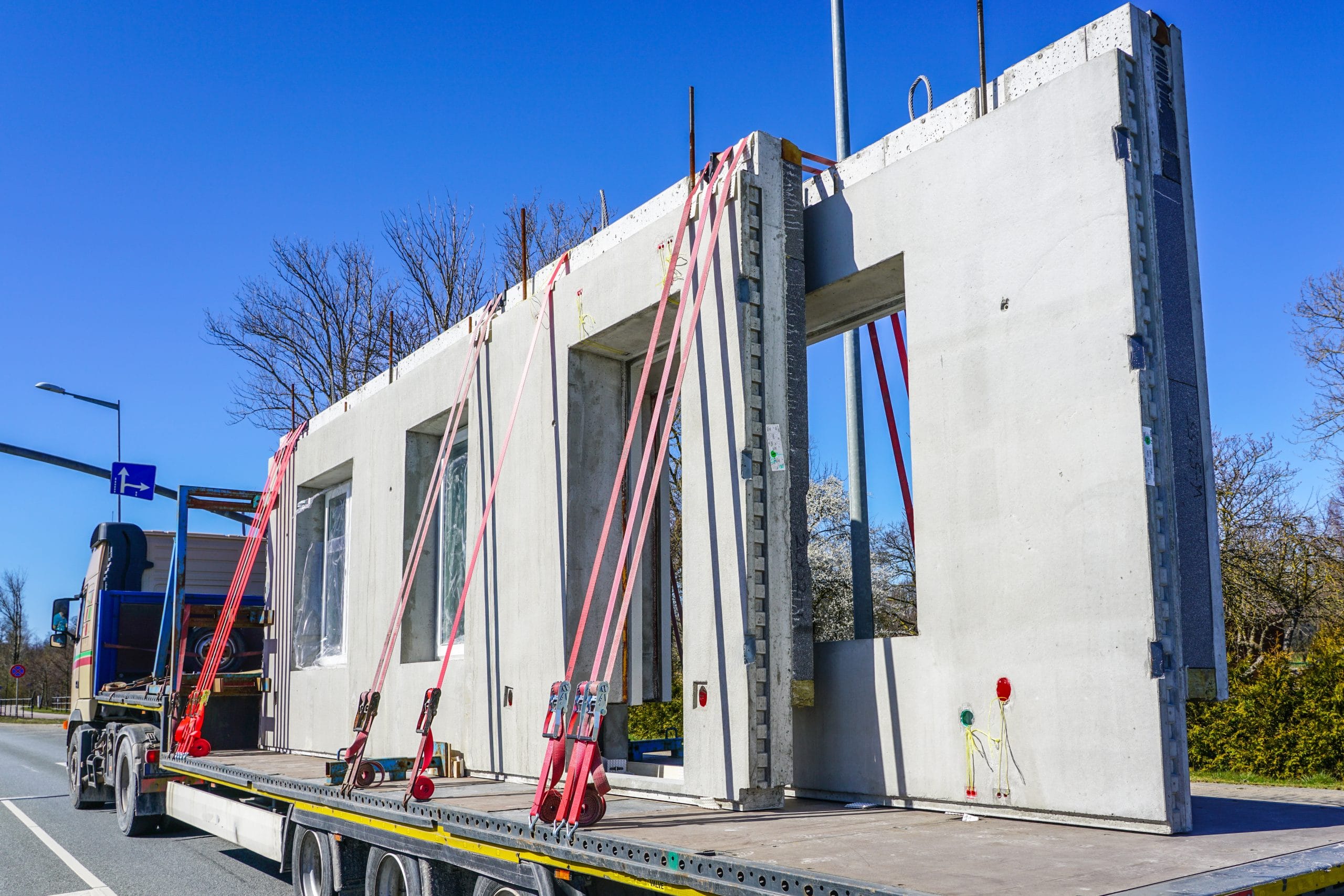
Starting from flat 2D panels, manufacturers can progress to fully finished 3D volumetric units: complete rooms, bathroom pods, or entire floor sections, delivered to the site and assembled with minimal labour. The technology and logistics exist. The main constraint is the timing of when off-site thinking enters the design process.
When off-site construction is considered from the start of a project, rather than bolted on at the end to rescue a programme or budget, the results are significantly better. That’s as much a design culture shift as a technical one, and it’s a conversation worth having separately.
This article is also published on my LinkedIn website.