
Why Choose Precast Concrete? 10 Key Benefits for Faster, Safer Builds
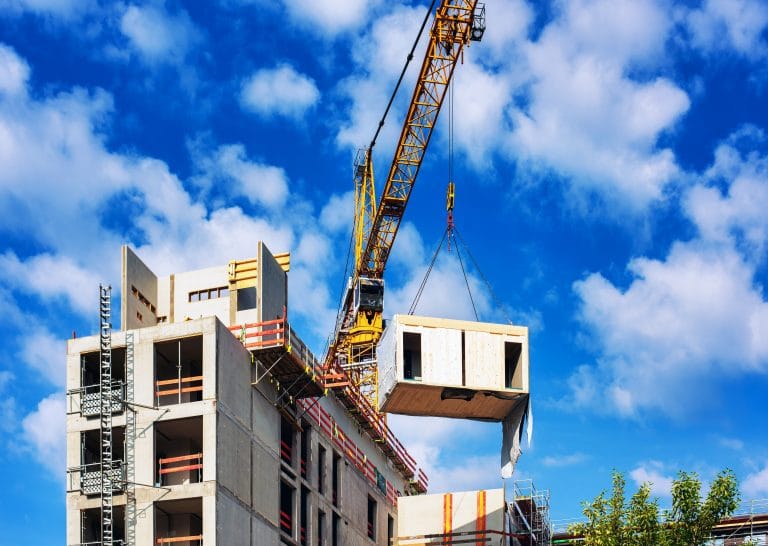
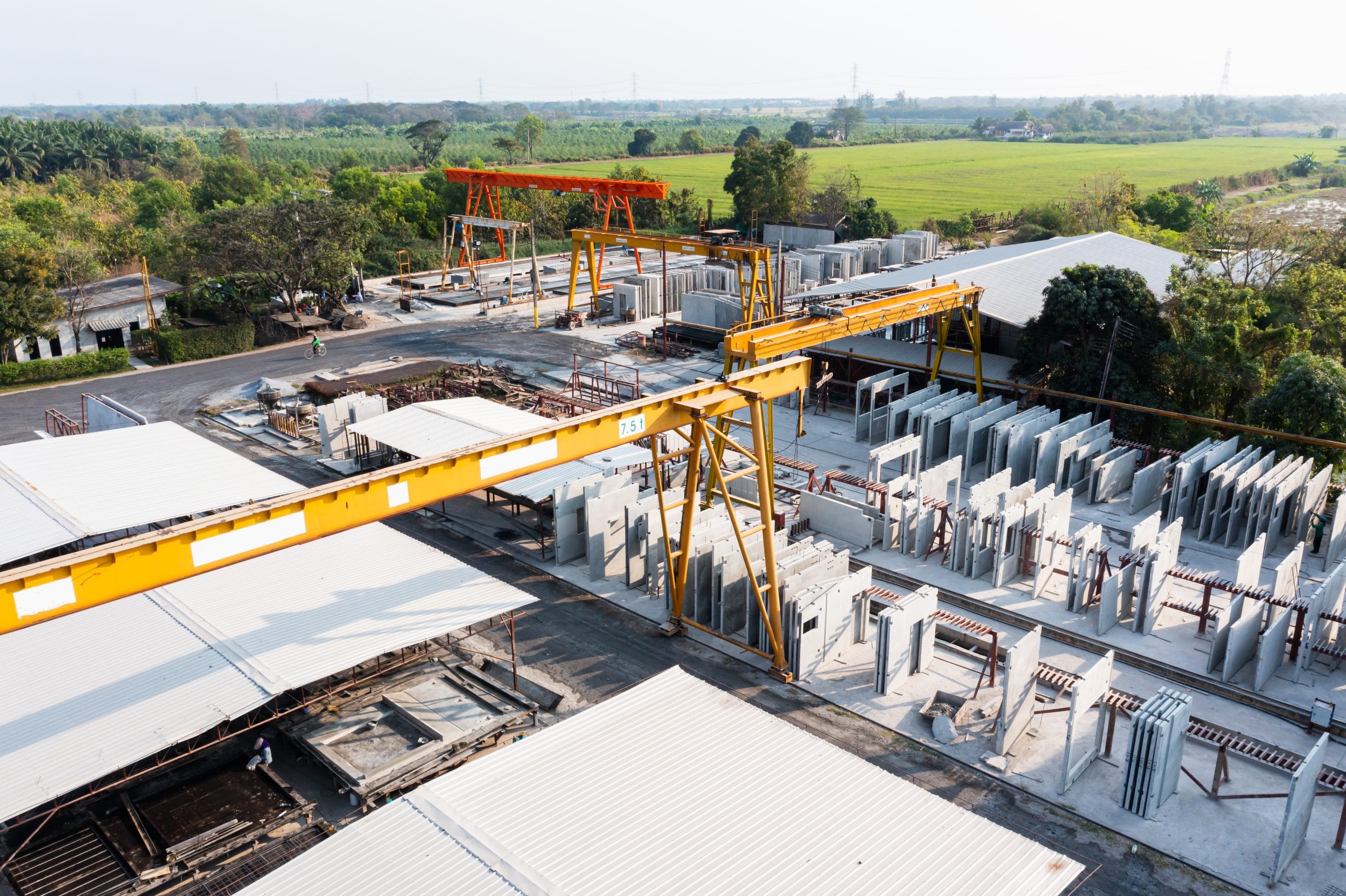
In my 20+ years as a precast concrete consultant, I’ve sat through countless meetings where teams ask the big one: “Why precast? Why switch to off-site construction now?” It’s a fair question, especially when designs start traditional. The answer? Precast shifts the heavy lifting to a controlled factory, slashing on-site chaos and unlocking real gains for everyone involved – from architects to crews.
If you’re weighing options for your next project, here’s what I’ve seen work time and again. These benefits span safety, speed, and sustainability, all backed by hands-on factory runs and site installs.
Health & Safety Benefits of Precast Concrete
Fewer folks on site means fewer risks. Precast keeps teams small and timelines tight.
- Cut worker numbers and project duration to lower accident odds.
- Skip raw material storage and waste piles for a tidier, hazard-free site.
- Streamline deliveries – your precast partner handles the logistics.
- Erect stairs and landings that offer instant safe access; just add handrails.
- Fit edge protection on the ground before lift-off.
- Let the precast specialist own temporary bracing and design checks.
Fire Safety Advantages with Precast Concrete
Concrete doesn’t burn. Period. Precast panels stand strong, buying time for evacuation.
- Seal joints with solid 60N grout for airtight fire barriers.
- Hit 240-minute resistance ratings that insurers love.
- No extra coatings needed beyond the basics.
- Limit damage – no melting or charring like steel or wood.
- Boost ductility to contain smoke and flames.
- Clad high-rises in non-combustible panels to stop fire spread.
For tall builds, this peace of mind is priceless. Curious how it fits your specs? Reach out for a quick review.
Environmental Wins from Precast Concrete
Off-site work keeps the neighbourhood happy and the planet lighter.
- Fewer trucks mean less disruption and emissions.
- Dial down noise, dust, and site mess.
- Slash waste – most scraps stay in the factory.
- Cut harmful chemicals with factory precision.
- Maintain clean sites with optimised crews and processes.
Precast aligns with green mandates without the guesswork.
Speeding Up Execution with Precast Concrete
Assemble, don’t build from scratch. Sites stay lean and on schedule.
- Focus on-site efforts on fitting ready-made pieces.
- Erect the core structure more quickly with smaller teams.
- Weather? Barely a blip – factory curing happens rain or shine.
- Load up right after install; no waiting for cure times.
- Fewer lifts thanks to smart, large-scale designs.
- Nail high-strength needs (up to 100N) consistently in controlled conditions.
You can shave months off timelines this way – it’s a game-changer for tight deadlines.
Enhancing Architectural Design with Precast Concrete
Unlock creative freedom with precision you can bank on.
- Block sound leaks with dense concrete and grout-filled joints.
- Deliver 50-year durability using self-compacting mixes under factory QA.
- Get paint-ready smooth finishes on both sides – steel moulds or power-floated.
- Match designs exactly; no field surprises.
- Shape, texture, and finish to the architect’s vision.
- Use 3D BIM for seamless coordination and to spot clashes early.
Explore our BIM-integrated precast services to see how it fits into your workflow.
Structural Strengths of Precast Concrete
- Start with C40/50 or C50/60 mixes for serious loads.
- Cure fast for quick strength gains.
- Hit peak compression where designs demand it.
- Cage rebar is precisely off-site.
- Guarantee quality through factory standards.
- Stabilise the frame early for safer construction phases.
- Simplify with wall panels as deep beams – no extra supports.
- Embed ties for collapse resistance effortlessly.
- Detail everything in 3D for the engineer’s confidence.
Streamlining M&E Coordination in Precast Concrete
No more chasing cuts on-site.
- Mould service openings are factory-fresh.
- Embed boxes and conduits spot-on.
- Clash-detect in 3D to avoid rework.
- Sync precast and services from day one.
This alone can save your clients thousands in fixes.
Precast isn’t just for frames – it’s powering mega-projects like rail tunnels and bridges worldwide. And while costs deserve their own deep dive (spoiler: they often undercut traditional over the full cycle), the upsides here stack up fast.
Intentionally, I haven’t mentioned the commercial aspects of the precast concrete option or its advantages over traditional construction methods. This is not a straightforward topic, and a simple comparison between a square meter of a precast wall and a block wall doesn’t work. This needs more in-depth analysis, which I may try to provide in a separate article.
This piece first ran on my LinkedIn website. What’s your take? Drop a comment below.
Ready to precast your project?
Let’s chat about a no-obligation feasibility assessment. Get in touch today – I’ve got ideas tailored to your build.