
Lean Manufacturing for Precast Concrete: Reduce Waste, Increase Profits
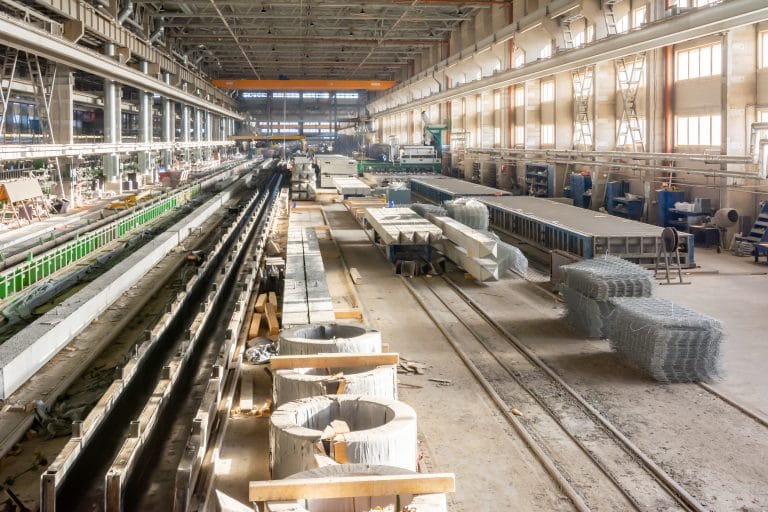
Your production floor tells a story. Materials are stacked at one station. Workers waiting at another. Quality issues were discovered too late. Schedules that look solid on paper until they fall apart on Monday morning.
If this sounds familiar, you are not alone. More importantly, these are not fixed costs of running a precast plant. They are symptoms of process waste, and they are fixable.
The Hidden Cost of Doing Things the Way You Always Have
Waiting time costs money directly and consistently. If your average crew member spends 90 minutes a day waiting for materials, equipment, or approvals, that time does not disappear from the wage bill. Multiply that across your workforce and your production calendar, and the number becomes uncomfortable quickly.
On top of that, add material waste, rework costs, and the long-term damage that late deliveries do to client relationships. The total is not a minor inefficiency. It is a structural drag on your margin that compounds with every project.
What Lean Manufacturing Actually Means for Precast
Lean manufacturing targets eight specific types of waste in your operation. Originally developed by Toyota and adapted for construction manufacturing, these principles help you identify where time and money disappear in your production process:
- Overproduction – casting pieces before they are needed
- Waiting – downtime between operations
- Transportation – unnecessary material movement around the yard or factory
- Over-processing – doing more work than the specification requires
- Excess inventory – overstocked materials tying up cash and space
- Unnecessary motion – poor layout forcing workers to cover extra distance
- Defects – quality issues that require rework or replacement
- Underutilised talent – ignoring what your experienced crews already know
Each of these waste types exists in most precast plants. The question is which ones cost you the most.
Where to Look First
Pull your production data from last month and work through three questions. First, how many hours did crews spend waiting? Second, what percentage of pieces needed rework? Third, how does your actual lead time compare to the lead time you quoted?
Those numbers show you where the waste sits and, consequently, where the largest opportunity for improvement lies.
The Results That Follow
When precast facilities apply lean principles systematically, the improvements show up across the business. Production cycles become shorter because non-value-adding steps are removed rather than worked around. Material waste falls because purchasing and production align more closely with actual demand. Delivery reliability improves because the programme reflects what the plant can actually achieve rather than what the estimator hoped it could achieve.
Better on-time delivery does more than satisfy the current client. It builds the kind of track record that generates repeat work without additional selling effort.
Your Crews Already Know Where the Problems Are
This is what most external improvement programmes get wrong. The people who run your production lines see the inefficiencies that management misses, because they live with them every shift.
They know which material staging creates bottlenecks. They know where the official process does not match what actually happens. They often know which workarounds are more efficient than the documented procedure. The problem is that nobody has asked them in a structured way.
When you give crews a proper channel to identify and solve problems, the results follow a reliable pattern. In the first month, bottlenecks are resolved quickly because the solutions were already clear to the people closest to them. By month three, crews start suggesting improvements to processes they previously accepted as fixed. Beyond that, problem-solving becomes part of how the plant operates rather than a one-off project.
The plants that do this well do not just improve their numbers. They become places where skilled workers stay, because their knowledge and experience are actually used.
Four Steps to Start Without Overcomplicating It
Step 1: Map What Actually Happens
Document how work flows through your plant today. Not how the process manual says it should flow, but how it actually flows in practice. Focus on where materials wait, where information gets stuck, where crews sit idle, and where defects surface. The goal is an accurate picture, not a flattering one.
Step 2: Ask the Right Questions
Run working sessions with your production teams. Ask where they wait most often, what slows them down each day, and what one thing they would change tomorrow if they could. Their answers carry more operational value than any outside observation.
Step 3: Choose Your Metrics
Pick two or three numbers to track each week: cycle time per element type, material waste percentage, on-time delivery rate, and first-pass quality rate are the most common starting points. Post the results where everyone can see them. Visibility creates accountability, and shared accountability drives improvement.
Step 4: Start Small, Prove It Works, Then Expand
Avoid trying to fix everything in the first month. Instead, pick one high-impact area, whether that is reducing setup time between pours, improving material staging, or streamlining quality inspections. Fix it, measure the result, and share what changed. Then move to the next area. Small, visible wins create the confidence that sustains a longer improvement effort.
What Causes Lean Programmes to Fail
Most failed lean implementations share the same characteristics. The team tries to change too much at once. Crews have no input into the process. Results are not measured or communicated. The programme stops after the first round of improvements, treating lean as a project rather than a way of operating.
Lean manufacturing is not a one-time intervention. The plants that benefit most are those that treat continuous improvement as a permanent part of their operations, rather than as a response to a specific problem.
Why the Timing Matters
The market conditions facing precast manufacturers are shifting in a consistent direction. Lead time expectations are shortening. Material costs continue to rise. Skilled labour is harder to find and harder to retain. Quality requirements across project types are higher than they were five years ago.
Manufacturers who can deliver faster and more consistently, without sacrificing quality, will win contracts. Those competing on price alone will watch their margins narrow until the business no longer makes sense.
Some of your competitors started their lean journey last year. The gap between efficient operations and struggling ones is widening. The longer you wait to close it, the more work the catch-up requires.
Common Questions
How long until we see results? Quick wins often appear within four to six weeks. Meaningful operational changes typically take three to six months. Cultural change takes longer, but it is also what makes the improvements stick.
Do we need external help? Not necessarily. Many plants start with internal resources and published frameworks. Outside support can accelerate progress and help avoid common mistakes, but it is not a prerequisite.
Does this work in smaller facilities? Yes. Lean principles scale to any size. Smaller operations often move faster because there are fewer processes to map and fewer people to bring along.
How do we handle crew resistance? Start with problems that the crews themselves identify. When people see their own suggestions implemented and the results measured openly, resistance drops. The first visible win matters more than the methodology.
Lean Precast Solutions helps precast concrete manufacturers reduce waste and improve profitability through lean manufacturing principles. To discuss your specific operation, book a call or get in touch directly.